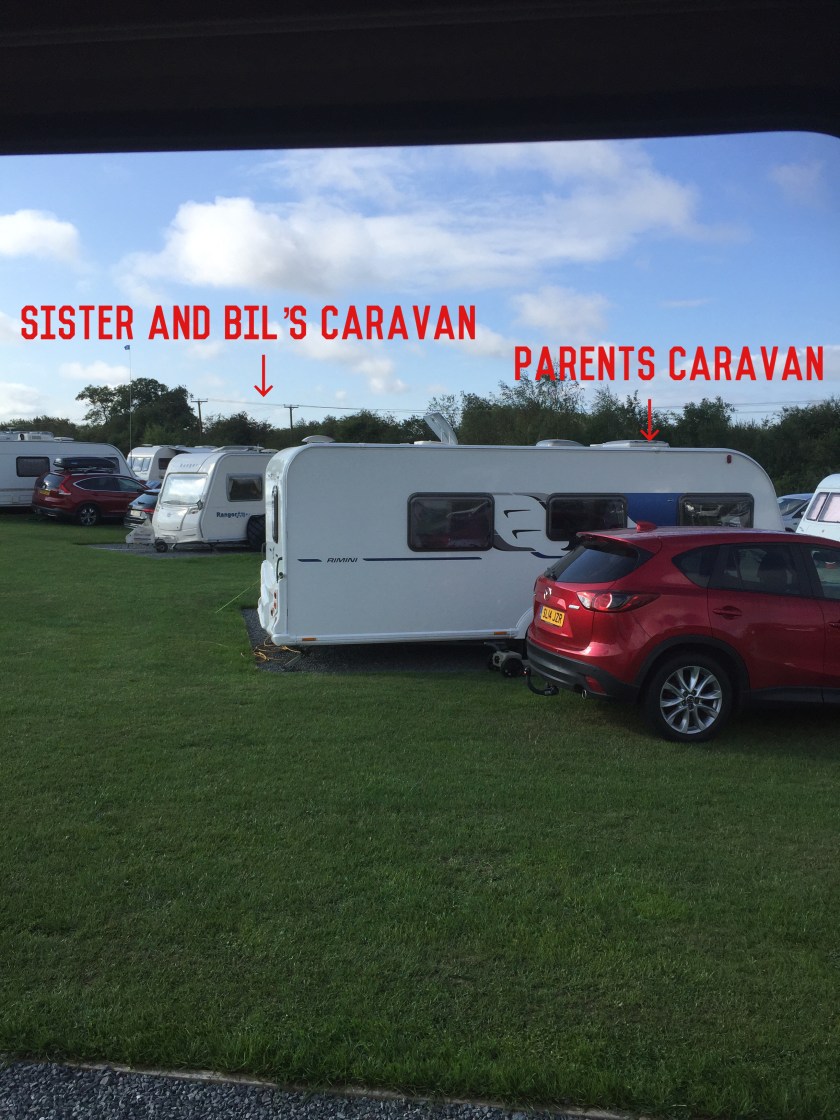
Woke up to sunshine today and someone to have breakfast with! Shared some cereal with my parents in their awning this morning and a lovely cup of tea. Here is a dry weather version of the photo I put on Instagram yesterday, marked up with where my families vans are in comparison to where mine is.
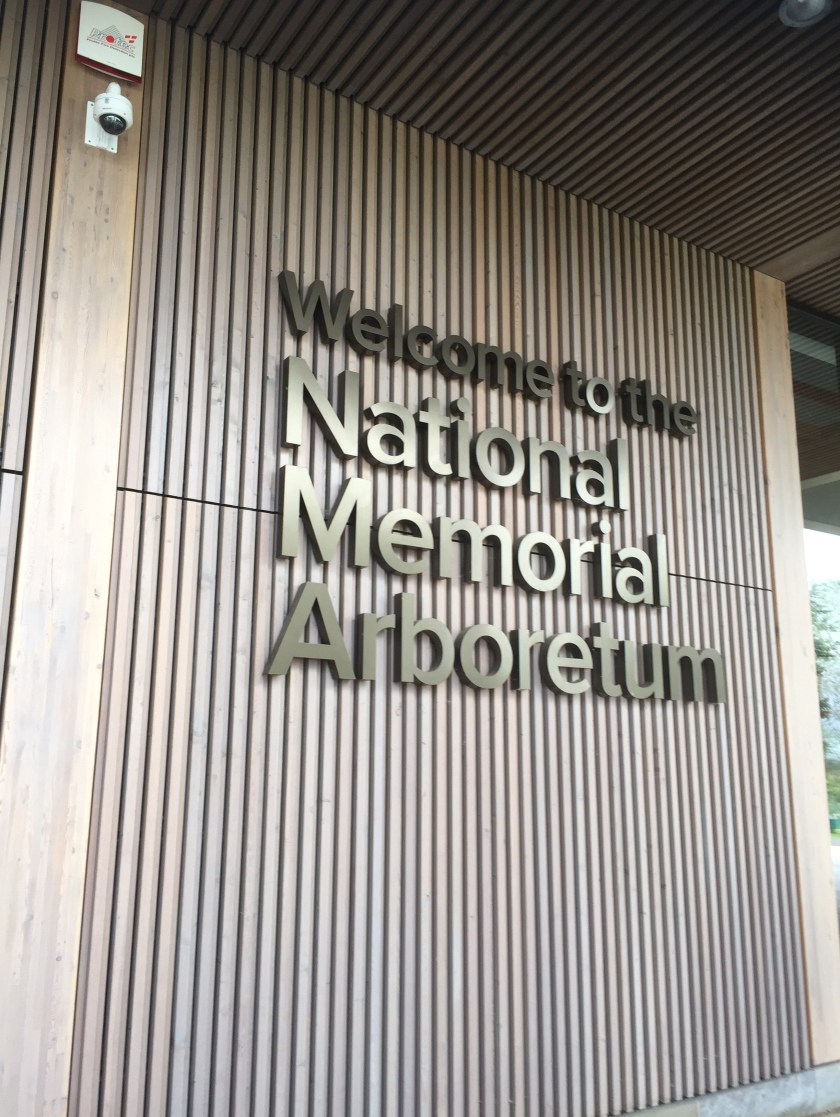
After a quick family discussion we decided that today we would visit the National Memorial Arboretum. This is the year-round centre of Remembrance and home to the iconic Armed Forces Memorial, opened by the Queen.
On around 150 acres of land there are over 350 thought-provoking memorials, nestled amongst woodland and gardens. These cover military and civilian tributes – for teams, organisations or individuals.
It’s free to get in (£3 parking) and you can then buy extra’s such as a train trip around to get your bearings, guided tours etc. It’s primarily run by very enthusiastic volunteers and relies on donations to keep going and growing.
The idea all started when David Charles visited America and saw how they remembered and respected people who had served their country. David thought that enough wasn’t being done in the UK to do the same and that people were beginning to forget, rather than remember the sacrifices made in the past for us.
After returning from his trip, he approached John Major, who was Prime Minister at the time, who gave full backing (but no budget!) to his idea and put him in touch with the right people to everything off the ground. The owners of the land they found agreed to a 999 year lease at £1 a year and to date, they and the subsequent owners, have never asked for the money. The volunteers do walk around with a pound in their pocket every day, just in case though!
By 2000, enough money had been raised to build a simple visitor centre and chapel, and it has grown since then. Now there are over 30,000 trees and many different memorials to look around, all dedicated to different people, groups, organisations etc.
One example is the area dedicated to Anne Frank, and civilians affected by war. Anne was the Jewish child ( and eventual author of her published personal diaries) and victim of the atrocities during the Nazi reign, and the death camps across Europe. This memorial is kept cut-back so that the flowers and seeds aren’t ever allowed to reach maturity, just like Anne herself. All the memorials have special significance or have been designed in a special way to give even more meaning to them.
After we arrived, we had a quick coffee/tea (and cake in the case of the rest of my family) which did look very tempting. They are all made on-site by the volunteers and looked amazing and I was told also tasted very good too.


Next we joined a service in the chapel. It wasn’t a religious service at all, more of an instruction to the Arboretum, followed by a 2 minute silence of remembrance.
The service started by explaining how the two minute silence came about. It was actually a German writer who in 1919 suggested the act, and was supported by an English Gentleman called Sir Percy, who had lost his son in WW1. King George the fifth heard about the idea and fully supported it and that November, the first silence was held across the UK. Buses stopped, cars pulled over and everyone stood still in the street, in shops, at work and at home to remember the fallen.
The only time the 2 minute silence hasn’t taken place was during WW2, but it started up afterwards, with a heightened sense of responsibility for remembering.
After this introduction, the Last Post was played and the 2 minute silence started, which everyone stood for. The Bugle call then sounded to signify the end of the silence and a poem was read out, that may will recognise, it was incredibly moving.
They shall grow not old, as we that are left grow old:
Age shall not weary them, nor the years condemn.
At the going down of the sun and in the morning
We will remember them.
Source: http://www.greatwar.co.uk/poems/laurence-binyon-for-the-fallen.html
Tarmac now own the land and are currently clearing more space to accommodate more memorials.
Here are some images of the memorials around the park – it was a beautiful setting, very poignant and certainly well worth a visit.

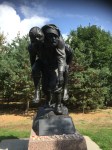
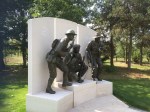

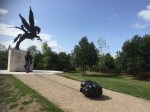
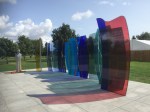
We joined the train tour around the site (much to my Nephews delight) which took us on a circular route, explaining some of the memorials and giving us more insight into their meaning and significance. Really helpful to get an idea of the size of the place and understand what it is all about.
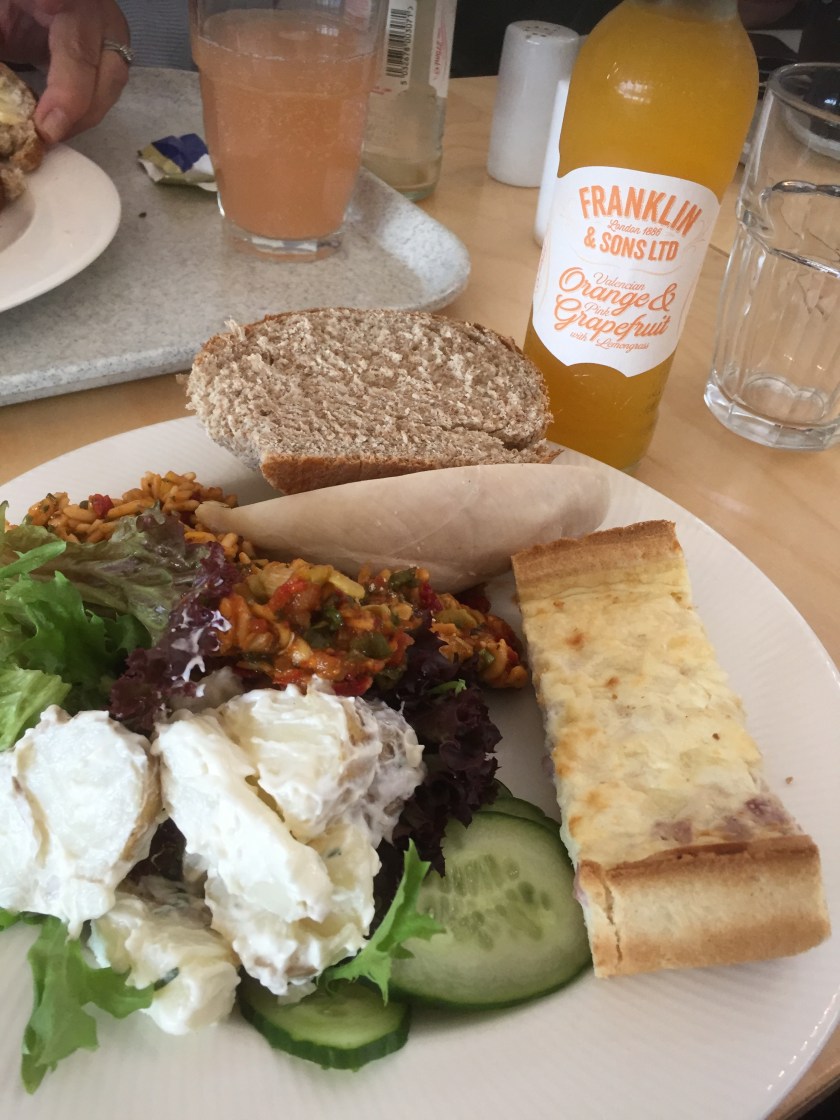
Lunch next – just as good as the morning snack and lots of choice, I went for healthy(ish) and it was delicious.
Next we started our own tour on foot of the memorials, but you really would need a good few hours to see them all. We were there for 4 hours and didn’t get to see everything.
The ‘Shot at Dawn’ memorial was pretty harrowing. It was honouring all of the soldiers who were shot in the back for desertion or cowardice (all of whom have now been posthumously pardoned). These men were generally shot for having ‘Shell Shock’ or what we now know as PTSD (post-traumatic stress disorder). The main statue was of a soldier who was just 17 years old – away from home and terrified – who was shot in this way and he is surrounded by wooden poles, all representing another individual who was shot at dawn.


One that really hit home with me was the Armed Forces Memorial, honouring members of the Armed Forces (Regular and Reserve) who were killed on duty, or as a result of terrorist action, and those who died while deployed on designated operations.
Literally thousands of names were listed, all without rank, because this isn’t important, everyone is equal and no more important than anyone else in death.
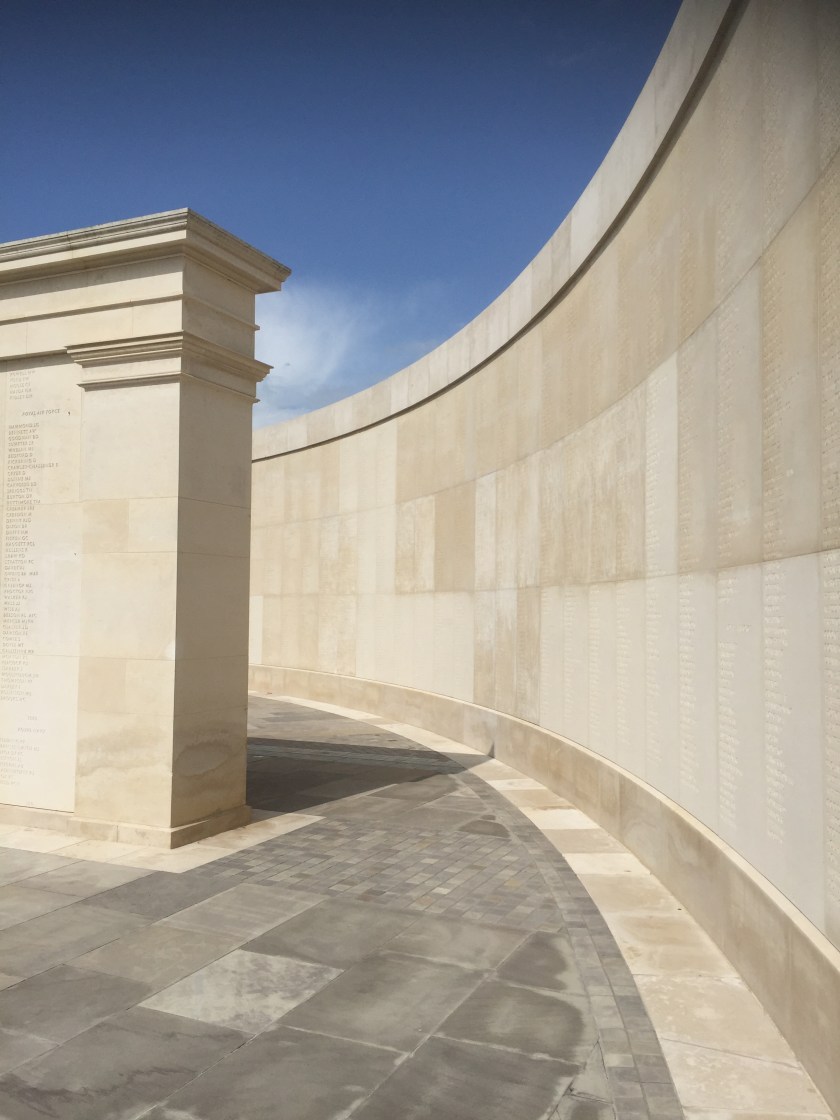
The centrepiece of the Memorial is two large bronze sculptures, representing loss and sacrifice, on either side of a central bronze laurel wreath. Created by Ian Rank-Broadley, the sculptures bear silent witness to the cost of armed conflict.
To the north, a Serviceman is raised aloft on a stretcher by comrades. On either side family members look on – a mother clasped by a child and an older couple clutching each other in anguish. It bears witness to the cost of armed conflict to those left behind – the families, loved ones and friends who live with the pain and consequence of their loss for the rest of their lives.

Opposite, the body of a warrior is being prepared for burial by female and Gurkha soldiers. The figure before the double doors points to a world beyond where the warrior will rest as another figure chisels the name on the memorial.

The alignment and axis of the Memorial portray a greater meaning and draws inspiration from prehistoric monuments. At the 11th hour of the 11th day of the 11th month the sun’s rays stream through the door of the sculpture, illuminating the wreath in the centre of the Memorial.
Source – http://www.thenma.org.uk/


I laid a small poppy cross of my own to remember those who have fallen and those who are still sacrificing their lives for our safety at home and abroad. I hope that my Nephews (in fact, I know) are bought up to respect the memories of all those who sacrificed their lives to enable us to live ours as we do, and all of those who continue to protect us.
We headed back to the campsite afterwards as it was a lovely afternoon and we could chill out around the vans, playing with my Nephew and relaxing. I also has some help writing the first part of this blog 🙂

Back online now and it’s nearly time for bed. Earlier my chief engineer (AKA Dad) took a look at my caravan heating as it seemed to be playing up. Have had full training on most effective way of using it now, so hopefully should be ok for my future travels.

Also spent some time in my van with my Nephew who insisted on getting under all my bed clothes and then getting me under there too and tucking me in 🙂

We all enjoyed a lovely sausage/fish and chips dinner from a local take away (Whoops – twice in one week) and homemade Bakewell Tart in honour of mine and my Mum’s time in Buxton – very near Bakewell – even though we didn’t get to visit there!
I’ve had a lovely evening chatting with my family and putting the worlds to rights.
Interesting facts of the day from visiting the Arboretum
Daylight Saving Time – Changing the clocks according to the season dates back to Roman times, but did not come into modern day use until WW1 when it was decided it would help the war effort, by saving vital electricity, as factories could open for longer, without having to resort to electric light. Germany and its ally Austria were first to adopt this in April 1916 and a few weeks later Britain did the same. After the war most European Nations returned their clocks back to standard time – apart from Britain.
Defence of the Realm (DORA) – Four days after the start of WW2, the British Government introduced the DORA Act which put strict controls on civilians, including new rules about serving alcohol. It’s only in 1988 that these were changed! They included, not drinking at all on Sundays, it being illegal to be drunk in a pub and you could also get arrested for flying a kite, using binoculars and feeding wild animals!
‘Having a Chat’ – ‘Chat’ is a Hindu word meaning ‘Parasite’. In WW1 many soldiers became infected with lice which they would have to remove from their uniforms. The activity often provided the chance to have a conversation with friends, hence the saying ‘We’re having a chat’!
 One (wo)man and her (cara)van